P/N 2455038-2: General Aviation Cooling Component
P/N 2455038-2: General Aviation Cooling Component
Blog Article
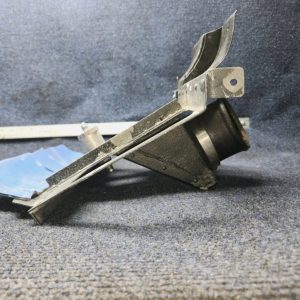
The Cessna 172RG Rear RH Baffle Assembly
The Cessna 172RG Rear Right-Hand Baffle can support airflow management, while the Cessna 172RG Engine Baffle and Cessna 172RG Cooling Baffle descriptions should not imply universal interchangeability.
A Cessna Cutlass Engine Baffle may form part of a broader Cessna 172RG Baffle Assembly, while the Rear RH Engine Baffle must match the exact side, shape, and attachment arrangement.
The Cessna Engine Cooling Baffle works with other Cessna 172RG Engine Compartment Parts to reduce unwanted air leakage and direct airflow through intended cooling paths.
A Cessna Aircraft Engine Baffle can form part of an Engine Cooling Baffle Assembly, while a Cessna Cutlass Cooling System Part must correspond with the installed aircraft and engine configuration.
Identifying the Cessna 172RG Rear RH Baffle
A component should not be accepted as P/N 2455038-2 solely because it appears to fit the rear right-hand engine area.
The right-hand orientation and rear engine-compartment location should be verified before shipment or installation.
Understanding Cessna Engine Cooling Airflow
It works with adjacent metal baffles, flexible seals, cowling surfaces, fasteners, brackets, and engine components here to form a coordinated cooling system.
Complete evaluation helps maintenance personnel address the underlying cooling concern.
Cessna 172RG and Cutlass Compatibility
Compatibility should be established through the exact aircraft model, serial number, engine installation, part number, baffle position, and applicable maintenance or parts information.
A component that fits one aircraft approximately may still interfere with another installation.
Aircraft Engine Baffle Construction
The exact material, thickness, temper, finish, and construction should be confirmed through applicable technical information when required.
Unauthorized bending, hammering, heating, grinding, drilling, or trimming can damage the assembly and affect its relationship with adjacent components.
Assessing a Used Cessna Baffle
A detailed inspection provides stronger evidence than a general good-condition description.
Cracks can begin near holes, bends, notches, bracket ends, and areas where the sheet metal has been repeatedly flexed.
Baffle Seal Condition and Air Leakage
Accurate seal information helps buyers calculate the complete repair requirements.
Excessively stiff or incorrectly positioned material can interfere with cowling installation or fail to seal properly.
Evaluating Corrosion on Cessna Baffles
Corrosion inspection should address exposed surfaces, overlapping joints, fastener areas, lower edges, brackets, and locations where moisture or contaminants can collect.
Protective coatings should be compatible with the material and intended engine-compartment environment.
Crack and Fastener-Hole Inspection
Fastener holes should be checked for elongation, cracking, burrs, corrosion, double drilling, fretting, and evidence of repeated removal.
Old hardware should not be reused automatically because it fits the existing holes.
Planning a Complete Baffle Repair
The complete engine-compartment area should be inspected before parts are ordered.
Used Cessna 172RG Engine Compartment Parts should be evaluated individually rather than accepted solely because they came from the same donor aircraft.
Inspecting the Complete Cooling System
Missing seals, open gaps, loose cowling, or incorrectly installed neighboring components can affect airflow distribution.
Maintenance personnel should identify all relevant findings and correct them through appropriate procedures.
Repairing a Damaged Engine Baffle
A documented repair plan supports a more consistent result.
The completed component should be inspected before installation.
Commercial Value of the Cessna 172RG Baffle
Damaged or incomplete baffles may still have repair-candidate, restoration, pattern, or reference value when described accurately.
Dimensions and detailed photographs should be supplied before shipping arrangements are finalized.
Aircraft Engine Baffle Pre-Purchase Guide
The seller should provide photographs showing both sides, flanges, holes, brackets, contours, edges, markings, corrosion areas, seals, and repairs.
- Confirm the complete part number, donor-aircraft model, donor serial number, rear right-hand position, engine configuration, modification status, and available traceability.
- Examine hidden surfaces, fastener areas, formed corners, seal-retaining edges, lower sections, and mounting points carefully.
- Require packaging that supports the baffle without bending flanges, crushing contours, damaging brackets, scratching finishes, or allowing loose hardware to strike the panel.
Safe Handling of P/N 2455038-2
Loose seals and hardware should be bagged, labeled, and secured separately.
Identification tags and records should remain attached or clearly associated with the component.
Installing the Cessna 172RG Rear RH Baffle
Installation should be completed by appropriately qualified aviation maintenance personnel using applicable aircraft, engine, parts, and maintenance information.
Fastener holes should be inspected carefully, while hardware type, grip, spacing, and installation method should correspond with suitable technical data.
After installation, technicians should inspect mounting security, seal contact, clearances, cowling fit, airflow gaps, interference, and completeness.
Preventive Engine Baffle Maintenance
The assembly should receive attention after engine work, cowling damage, abnormal vibration, overheating indications, fluid leaks, or suspected impact.
Protective finishes should be maintained so exposed material does not remain vulnerable to moisture and contaminants.
Selecting a Cessna 172RG Cooling Component
P/N 2455038-2 can provide valuable maintenance, restoration, cooling-system repair, or spare-inventory potential when its identity, condition, geometry, and compatibility are verified.
Buyers should request current photographs, accurate measurements, transparent condition information, protective shipping, secure transaction terms, and qualified maintenance review.
Whether the component is purchased for scheduled maintenance, corrosion replacement, cooling-system repair, accident recovery, restoration, or spare-parts support, transparent information and professional oversight provide the strongest foundation.
With complete evaluation and continued care, the Cessna 172RG Rear RH Baffle Assembly
Report this page